
Hey there, small business owners! Are you feeling swamped trying to keep track of customer interactions, sales leads, and marketing efforts? If so, it might be time to consider a Customer Relationship Management (CRM) system. In today’s competitive landscape, having the best CRM software for small businesses isn’t just a luxury; it’s a necessity for growth and efficiency. This guide will help you navigate the options and find the perfect fit for your venture.
What is CRM and Why Small Businesses Need It?
Simply put, CRM software helps you manage all your relationships and interactions with customers and potential customers. Think of it as your central hub for everything customer-related. For a small business, this means organizing contact information, tracking sales activities, streamlining customer service, and even automating marketing tasks.
Why is this a game-changer for small businesses? Because it helps you:
- Stay organized: No more sticky notes or scattered spreadsheets!
- Improve customer satisfaction: Deliver personalized experiences by knowing your customers better.
- Boost sales: Identify and nurture leads more effectively.
- Save time: Automate repetitive tasks, freeing you up to focus on core business.
- Gain insights: Understand customer behavior and sales performance with data.
Key Features to Look For in the Best CRM Software for Small Businesses
When you’re on the hunt for the ideal CRM, it’s easy to get overwhelmed by all the features out there. For small businesses, focusing on core functionalities that offer the most bang for your buck is crucial. Here are some must-have features:
- Contact Management: Centralized database for all customer and prospect information.
- Sales Automation: Tools to manage your sales pipeline, track deals, and automate follow-ups.
- Lead Management: Capture and nurture leads from various sources.
- Customer Support: Basic ticketing and communication features for handling inquiries.
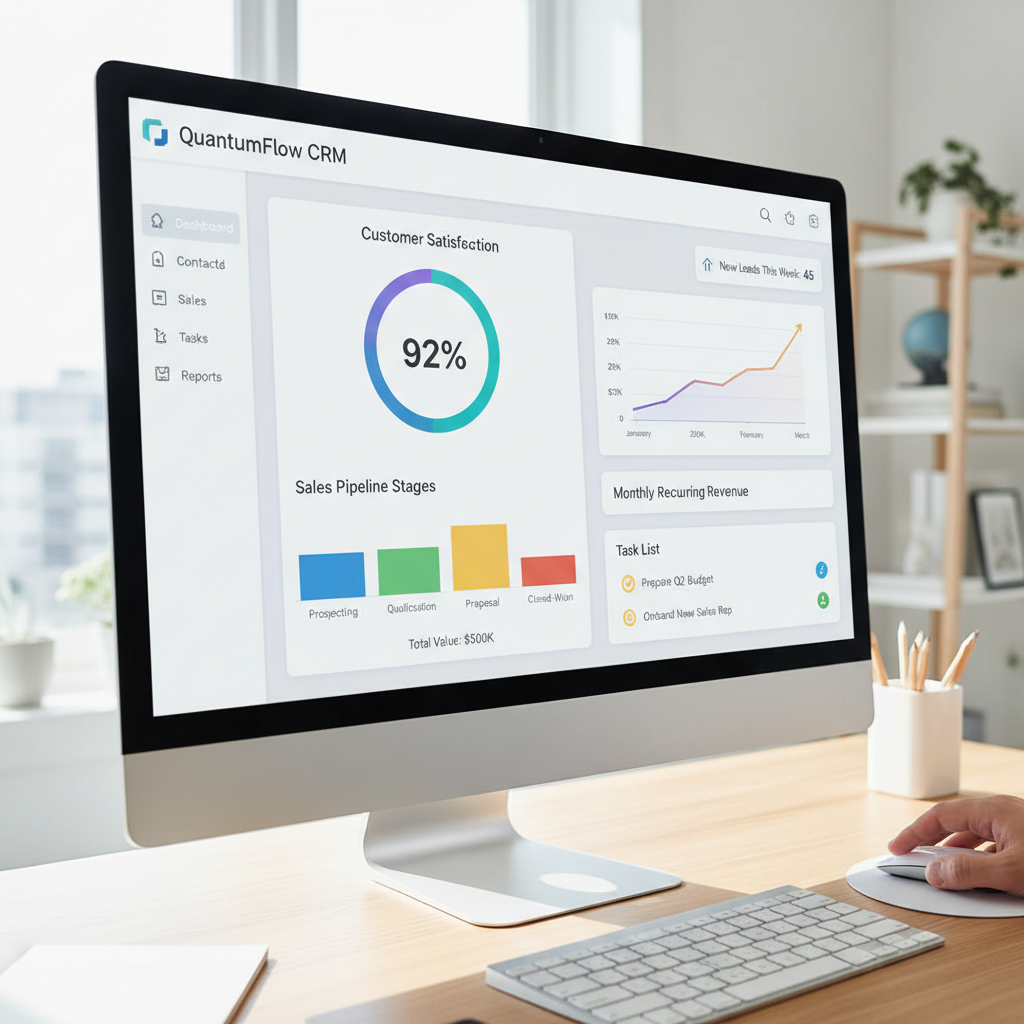
- Reporting & Analytics: Understand your sales performance and customer trends.
- Email Integration: Sync with your email client for seamless communication tracking.
- Ease of Use: A user-friendly interface is paramount; you don’t want to spend hours learning it!
- Scalability: Can the software grow with your business?
- Affordability: Pricing plans suitable for a small business budget.

Top Picks: Best CRM Software for Small Businesses
So, which platforms stand out? Here are a few strong contenders for the best CRM software for small businesses:
HubSpot CRM
HubSpot offers a fantastic free-forever plan that includes core CRM features like contact management, deal tracking, and reporting. It’s incredibly user-friendly and great for businesses just starting their CRM journey. As your needs grow, you can easily upgrade to their paid Sales Hub or Marketing Hub plans.
Zoho CRM
Zoho CRM is another powerful and versatile option known for its comprehensive feature set and competitive pricing. It offers robust sales automation, marketing automation, and customer support functionalities. Zoho also has a vast ecosystem of integrated apps, making it highly customizable for various business needs.
Salesforce Essentials
While Salesforce is known for its enterprise solutions, Salesforce Essentials is specifically designed for small businesses. It combines sales and service features into one easy-to-use platform. It’s a great choice if you anticipate significant growth and want a CRM that can scale with you, offering industry-leading features at a more accessible price point.
Pipedrive
If your small business is heavily focused on sales and pipeline management, Pipedrive is a top-notch choice. It’s incredibly intuitive, visually driven, and designed to help sales teams close more deals faster. Pipedrive excels at tracking the progress of deals through various stages and providing clear insights into your sales funnel.
Making the Right Choice: Tips for Selecting Your CRM
Choosing the best CRM software for small businesses ultimately comes down to your unique needs. Here are a few tips to help you decide:
1. Define your goals: What do you want to achieve with a CRM?
2. List essential features: Which features are non-negotiable for your business?
3. Consider your budget: How much are you willing to spend?
4. Test drive: Take advantage of free trials to see which system feels right.
5. Think about integration: Does it play well with your existing tools?
Don’t rush the decision, but don’t delay implementing a CRM either! Investing in the right CRM software can significantly streamline your operations, improve customer relationships, and set your small business up for long-term success. Happy hunting!